
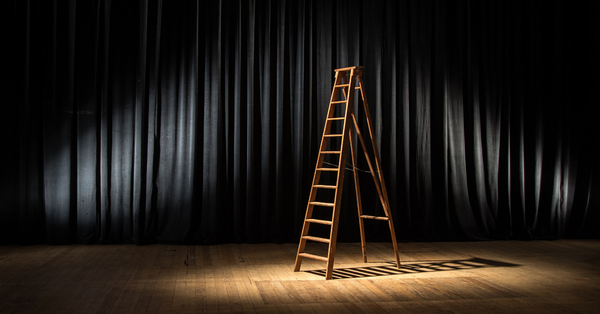
Theatre has always carried a reputation for being a little superstitious. A majority of theatre superstitions began as practical responses to real risks: fire-lit stages, heavy scenery, and crowded backstage spaces. Over time, these safety habits transformed into rituals, creating a shared culture that connects performers and crew across centuries. Learn about four different theatre superstitions and what to do instead.
Why Do We Say “Break a Leg”?

“Break a leg” is the most recognizable theatre superstition, and it’s intentionally used instead of wishing someone good luck. Saying “good luck” has long been thought to tempt fate, while “break a leg” works as a reverse charm.
One popular theory dates back to Elizabethan England. When audiences threw money at performers they enjoyed, and fruits and vegetables at a bad one. Actors would have to bend over/bend the knee to collect their rewards, thus breaking the line of their legs. Money = Breaking legs = Success. Regardless of its exact origin, the phrase has endured as a symbolic show of support.
Why You’re Not Supposed to Say Macbeth

Few superstitions inspire as much caution as speaking the name of Macbeth inside a theatre. Often called “the Scottish Play” or “The Bard’s Play,” saying its name aloud backstage can invite bad luck, technical issues, or injuries.
The superstition dates back hundreds of years, and early productions reportedly suffered accidents. The play’s witches, curses, and violent stage combat, combined with candlelit theatres and real weapons, created plenty of opportunities for disaster. Over time, stories accumulated, and the belief stuck. Today, if someone slips and says the name, a reversal ritual is often required before they’re “allowed” back onstage.
The Ghost Light Tradition

When a theatre goes dark, a single light is often left glowing on the stage. This is called the ghost light, and it’s said to keep theatre spirits company so they don’t cause trouble overnight. While the superstition is charming, it’s also for safety reasons.
Theatres are hazardous spaces in the dark, filled with trap doors, cables, and uneven flooring. Leaving a light on helps prevent falls and injuries. Today, the ghost light has become a symbol of respect for the space, the craft, and the artists who came before. It’s one of the most enduring and visually meaningful theatre traditions.
No Whistling Backstage

Whistling backstage is widely considered bad luck, especially near fly systems and rigging. This superstition comes from maritime history; early stagehands were often sailors, and whistles were used aboard ships to signal specific commands. A stray whistle backstage could accidentally trigger scenery movement, leading to dangerous situations. Avoiding whistling backstage is both a nod to history and a reminder that backstage etiquette exists for a reason.
Read More on the Blog
Whether you follow theatre superstitions seriously or treat them as playful tradition, theatre superstitions serve a deeper purpose: grounding artists before the unknown moments of live performance. These rituals remind us that theatre is built on shared history, trust, and a little bit of magic. If you enjoy learning about the stories and traditions that shape life onstage and backstage, explore more posts on the Cue to Cue blog to continue the conversation—and keep the ghost light on a little longer.

Leave a Reply