
Category: Leadership & Culture
-

10 Haunted Theatres in America & Their Ghost Stories
Haunted theatres combine rich history, emotional stories, and tradition steeped in superstition. From footsteps in an otherwise empty auditorium to unexplained figures appearing backstage, theatre ghost stories have passed between actors, technicians, stage managers, and volunteers for generations. And when you spend enough late nights working in old theatres, it’s easy to understand how those…
-

Are Community Theatre Board Members Wearing Too Many Hats?
Learn how to encourage volunteerism in your community theatre board of directors and when to let others have the spotlight. Many community theatre boards of directors do more than attend monthly meetings. Board members help build sets, run concessions, stage-manage productions, direct shows, coordinate marketing, usher patrons, and even perform on stage. Their willingness to…
-

How to Create Theatre Marketing Graphics Without Generative AI
Generative AI has made creating theatre marketing graphics easy and efficient. For community theatres with small budgets, volunteer marketing teams, and limited design experience, the appeal is clear. But generative AI isn’t always the solution. There are legitimate questions surrounding generative AI in theatre, including copyright, ownership, artist compensation, and the role AI should play in…
-

Navigating Theatre with Chronic Illness
Author’s Note: I’m sharing my experience to encourage more conversations about accessibility and inclusion in theatre. Every person’s health journey is different, and this article reflects my own experiences rather than medical advice. If you’ve spent any time in theatre, you’ve probably heard the phrase, “The show must go on.” It’s a sentiment I understand…
-

5 Alternative Places to Secure Play and Musical Rights
When community theatres, schools, and nonprofit organizations start planning a season, the conversation often begins with two major licensing companies: MTI and Concord Theatricals. While both offer extensive catalogs of popular titles, the play and musical rights can quickly strain a production budget. The good news? They’re not the only option. If your theatre is…
-

The Choreopoem: Evolution, Theory, and the Future of a Radical Form
The choreopoem is not merely a relic of the 1970s Black Arts Movement; it is a living, breathing apparatus for liberation. To understand its power is to understand how it dismantles the Western “well-made play” and replaces it with a multidisciplinary fusion of poetry, dance, and music that expresses the nuances of marginalized existence. The…
-
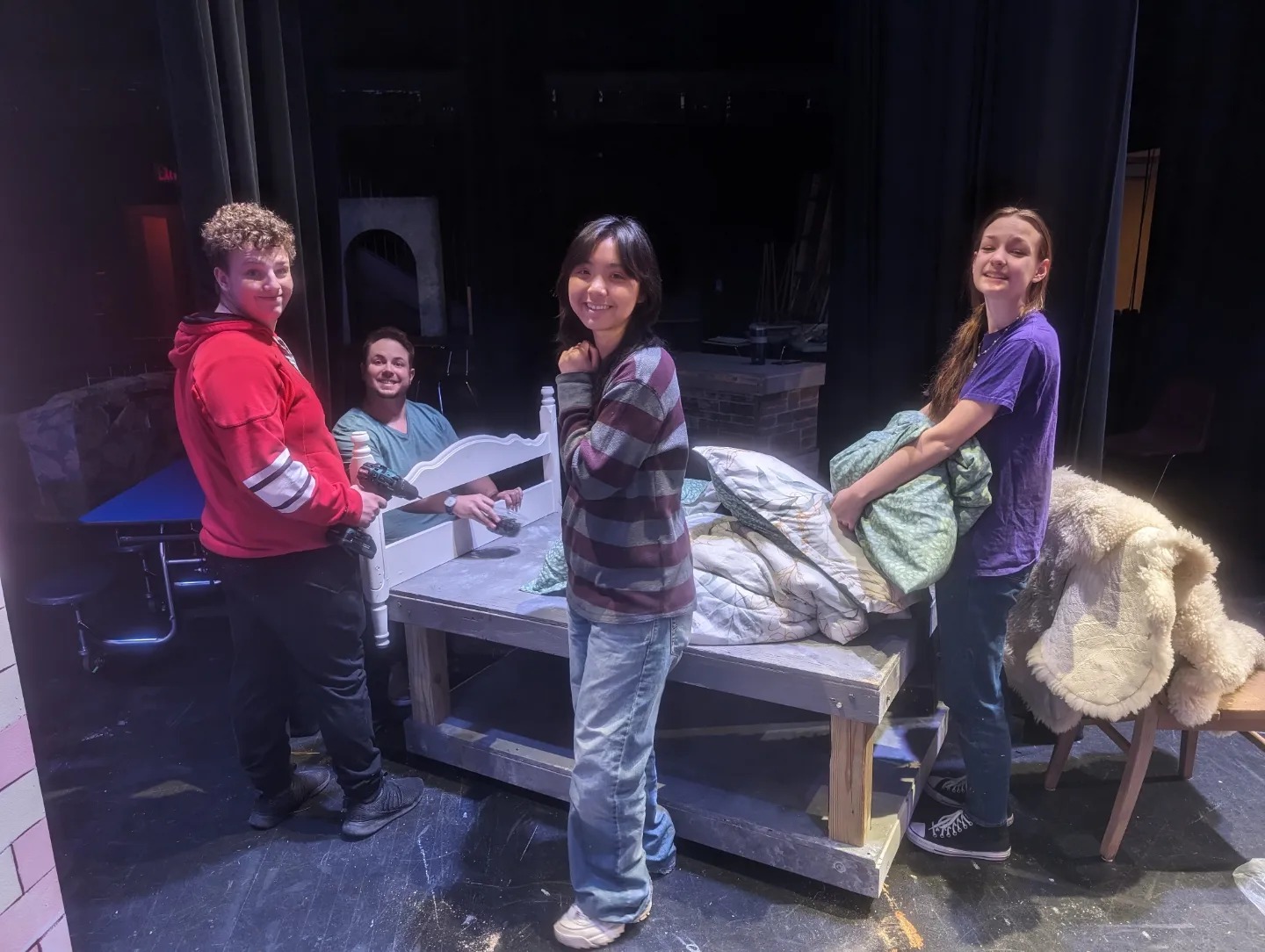
Seven Ways to Shine Up Your School’s Shows
Curtain Up What makes a piece of educational theatre successful? For starters, it is important that theatre educators remind themselves that, ultimately, everything they do is about the student experience. This does not mean that school productions can’t have a certain level of polish, and students can have complete confidence in what they’re doing onstage. No matter…
-

Honoring Veterans in Theatre
Theatre and military service may seem like two very different worlds, but both rely on discipline, teamwork, adaptability, and trust. Across community, educational, nonprofit, and professional theatre spaces, many veterans continue to serve their communities through storytelling, creativity, and collaboration. In this post, we’re highlighting six veterans who have made an impact in theatre both…
-

How to Give Better Feedback to Young Artists
Recently, my son asked me to help interpret feedback that he received on a short film he submitted to a contest. Some comments were specific and useful, grounded in what he actually created and what a young filmmaker can realistically do. Others were far less clear. One in particular stood out: “The performer does not…
-

10 Simple Steps To Sensory-Friendly Performances
From professional regional theatres that cater to families like Imagination Stage to the Minskoff Theater on Broadway, theatre organizations and companies understand that theatre for all is crucial, and there is no place for a lack of audience accessibility in the performing arts. On October 2, 2011, the Theatre Development Fund launched its Autism Theatre…