
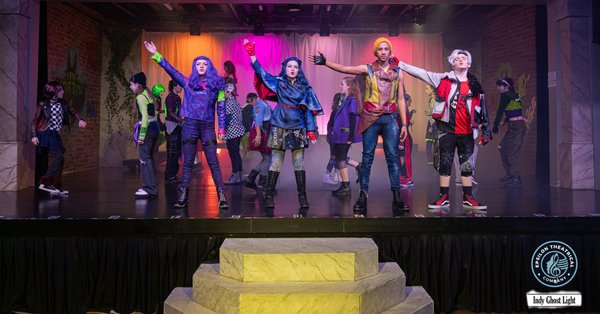
When audiences settle into their seats, they are transported into another world. While the script, music, scenery, lighting, and props all play essential roles in creating that experience, costumes are one of the most powerful visual storytelling tools in theatre. A thoughtfully designed costume does much more than dress an actor—it helps define a character, establish the setting, and make the world on stage feel believable.
In community theatre, costume design is often a creative blend of artistry, problem-solving, and resourcefulness. Whether working with a generous budget or making every dollar stretch, costume designers work to help transform ordinary performers into unforgettable characters.
Where the Costume Design Process Begins
The costume designer works closely with the show’s director to develop a shared vision for the production. Before selecting a single garment, they spend time studying the script, learning about each character, and researching the story’s time period and setting. This preparation ensures that every costume supports the overall style and tone of the show.
Once casting is complete, each actor is measured and sized. The designer then creates a costume plot—a detailed plan outlining every costume needed for each character, including scene changes and special requirements. With measurements, character needs, and budget in hand, the designer decides the best approach for acquiring each costume.
Three Common Approaches to Costuming
Most community theatre productions use a combination of buying, renting, and making costumes. This is a similar approach to how prop designers source theatre props.

Buying costumes often becomes a treasure hunt. Costume designers search online retailers, thrift stores, consignment shops, garage sales, and discount retailers to find pieces that match the production’s vision while staying within budget. Creative alterations and accessories can often transform everyday clothing into stage-worthy costumes.
Renting is an excellent solution for productions that require specialty pieces or large numbers of matching costumes. Many theatres and costume rental companies maintain extensive collections that can save both time and money when reused and repurposed. Renting is especially valuable when volunteer sewists or alteration specialists are limited.
Making costumes from scratch can be labor-intensive but allows for more creative freedom. If a theatre has experienced sewists and costume craftspeople, custom-made garments can perfectly match the designer’s vision and ensure the best possible fit. While this option is often the most time-consuming, it can be ideal for historical productions, fantasy shows, or productions with unique costume requirements. This can also be another source of revenue, as mentioned above, after the production closes by renting out costumes to other theatres.
Costumes Tell the Story Without Words
Great costumes communicate information long before a character speaks. They can immediately reveal the time period, location, season, occupation, social status, personality, or even a character’s emotional journey.
Small details often make the biggest impact. A faded or “dirty” apron may suggest years of hard work. A perfectly tailored suit can communicate wealth and confidence. Strategic layering, aging techniques, distressing, and purposefully selected accessories help costumes feel authentic rather than simply assembled. Color theory can be used throughout costumes to convey details about a character or the plot.

The best costume design is often invisible to the audience because it feels completely natural. Rather than drawing attention to itself, it quietly supports the storytelling and helps actors fully inhabit their roles. However, some costumes require all of the spectacle while onstage, such as Elsa’s dress transformation in Disney’s Frozen or Elle’s pink courtroom outfit from Legally Blonde the Musical.
A Collaborative Art
Costuming is far more than selecting clothing. It is a collaborative art that combines historical research, creativity, craftsmanship, budgeting, and teamwork. In community theatre, where volunteers frequently wear multiple hats, costume designers demonstrate remarkable ingenuity in creating memorable productions with limited resources.

When every costume works in harmony with the script, scenery, lighting, and actors’ performances, audiences become immersed in the story. That seamless illusion is the true magic of costume design—and one of the many reasons live theatre continues to captivate audiences of all ages.
Leave a Reply